
How to Choose the Right Custom Home Builder (And What to Watch Out For)
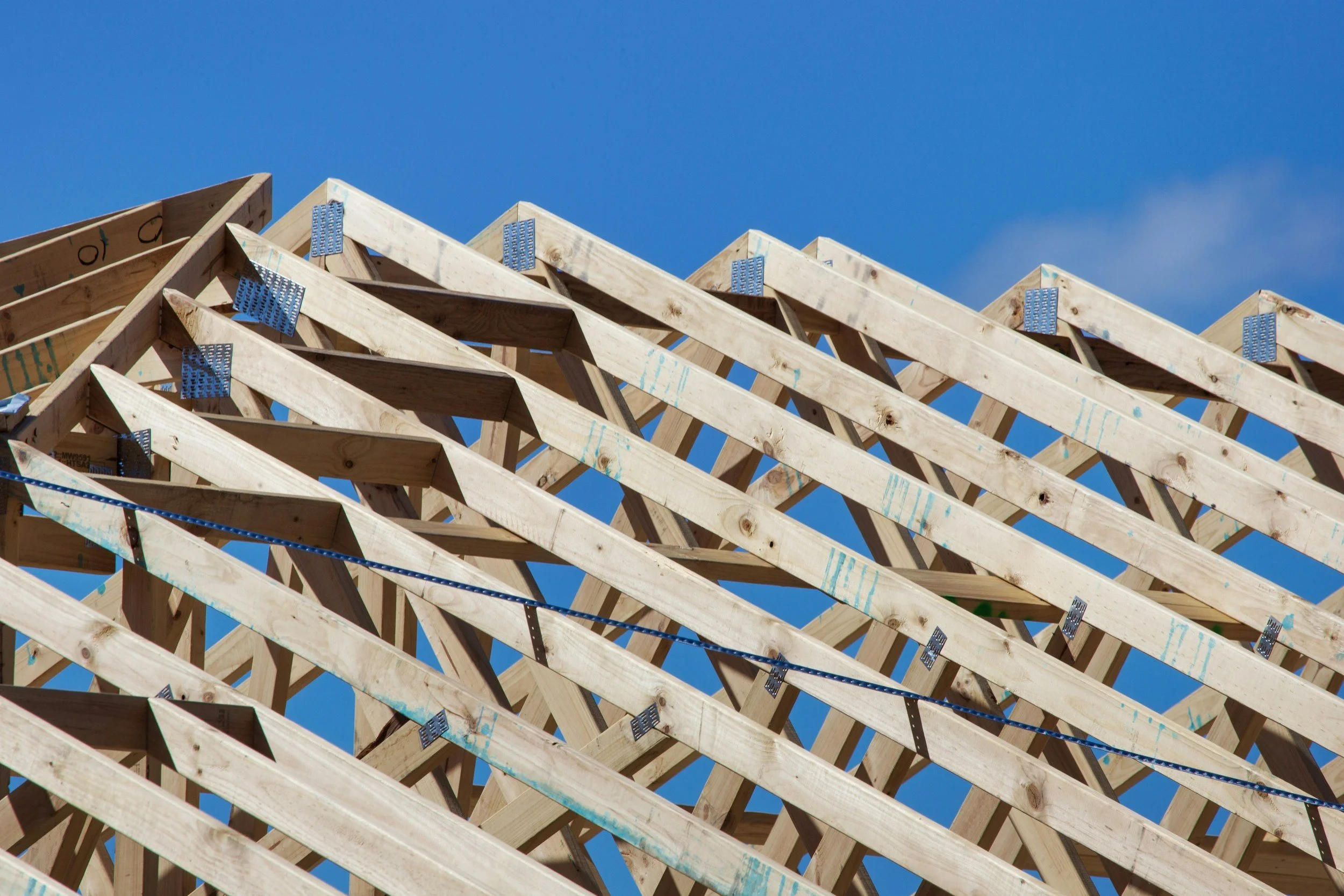
Your builder will have more impact on your daily life over the next 12 to 18 months than your architect, your realtor, or your mortgage broker.
They'll be the person you call when something goes wrong. They'll be the one making hundreds of decisions on your behalf — some of them on the spot, on a job site, without time to consult you. They'll be the reason this process feels collaborative and manageable, or stressful and adversarial.
Choosing the right one is worth more time and attention than most people give it.
Start With Character, Not Portfolio
The most common mistake people make when evaluating builders is leading with the portfolio. Photos of finished homes are useful, but they tell you what a builder has built — not how they behave when a subcontractor doesn't show up, when materials arrive wrong, or when something in the field doesn't match what was planned.
What you actually need to know is how a builder handles problems, because problems will happen. Weather delays, inspection backlogs, supply chain issues, design conflicts — these are normal parts of every custom build. The question isn't whether you'll encounter them. It's whether your builder will communicate with you honestly when they do, take ownership of their responsibilities and decisions, and work to solve problems collaboratively rather than defensively.
What to Look for in Your First Conversations
Before you've seen a single floor plan, a few things about a builder become visible in early conversations if you're paying attention.
Do they ask about you — your family, how you live, what you've liked and disliked about homes you've lived in before? Or do they move quickly to what they build and how they build it? A builder who's genuinely client-centered is curious about you before they start talking about themselves.
Do they give you straight answers about cost, timeline, and potential issues? Or do they lead with best-case scenarios and defer the hard conversations? Optimism is fine; evasiveness is a red flag. You want someone who tells you what you need to hear, not just what sounds good in a sales meeting.
Are they selective about who they work with? A builder who will take any project from any client isn't necessarily the one you want building your home. The best builders know who they work well with and who they don't — and they're honest about that fit.
The Red Flags That Mean Walk Away
Some things are worth treating as disqualifying regardless of how good the work looks or how competitive the price is.
They're hard to reach. If a builder is slow to return calls or emails during the courtship phase — when they're actively trying to win your business — imagine what communication looks like once you've signed and they've moved on to the next sale.
The bid is dramatically lower than everyone else's. A significantly underbid project either means something was left out of the scope, or the builder is planning to make it up in change orders. Either way, the number you sign for won't be the number you pay.
They can't give you references from recent projects. Finished work from several years ago tells you less than you'd think. Ask specifically about projects completed in the last 12 to 24 months, and ask to speak with those clients directly.
They pressure you to decide quickly. Urgency tactics — "we have another client interested in this slot," "pricing goes up next month" — are sales moves, not honest communication. A builder confident in their work doesn't need to rush you.
They resist answering the hard questions. What's your typical timeline variance? What happens if costs run over? How do you handle disputes with subcontractors? A builder who deflects these questions in early conversations will deflect them during the build, too.
The Right Fit Matters as Much as the Right Credentials
Licensing, insurance, and a solid portfolio are table stakes — you need those, but they don't tell you whether you and your builder will actually work well together for over a year on the most expensive project of your life.
Think about communication style. Do you want frequent updates or just the highlights? Do you prefer detailed written summaries or quick phone calls? Do you want to be involved in every decision, or do you want your builder to use their judgment on day-to-day details? There's no right answer — but there's a right match, and it's worth figuring out whether a builder's natural working style aligns with yours before you're eight months into a build.
The best builder for your project isn't necessarily the most decorated, the most experienced, or the least expensive. It's the one you trust — to show up, to communicate, to solve problems, and to care about the outcome the way you do.
Thinking About Building? Let's Have an Honest Conversation.
We're selective about the projects we take on because we're involved in every one of them from start to finish. That means the fit matters to us, too. If you're in the early stages of figuring out whether custom building is right for you — and whether we might be the right builder — we'd love to talk.