
What Does Custom Built Really Mean?
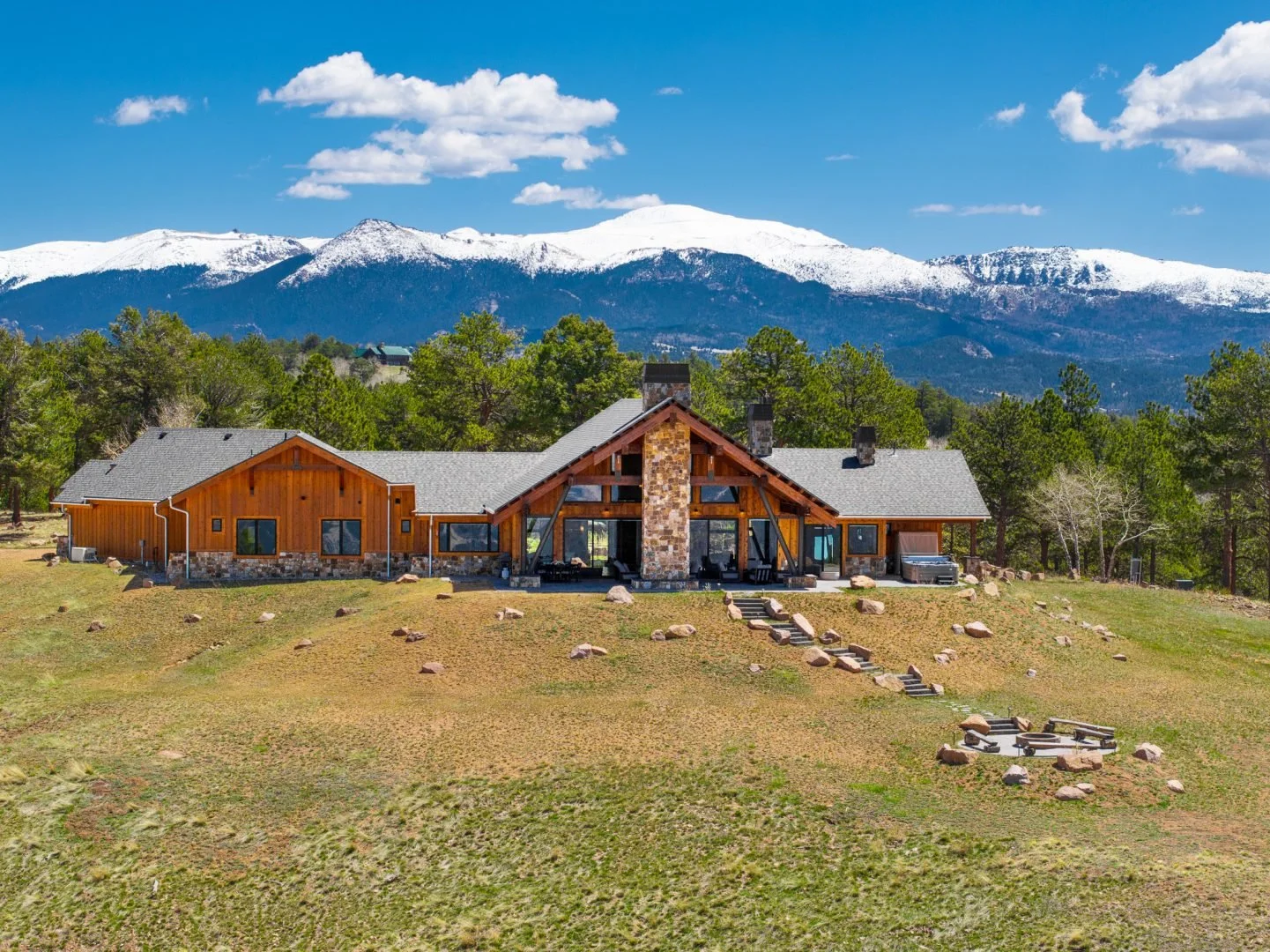
Walk into most production builder offices in Colorado Springs, and you'll hear the word "custom" within the first five minutes. Custom finishes. Custom options. Custom selections.
It's a word that's been stretched so far, it's lost most of its meaning — and if you're planning to build a home, understanding what it actually means (and what it doesn't) is one of the most important things you can do before you sign anything.
What "Custom" Usually Means in a Builder's Sales Office
In most production builder contexts, "custom" means you get to make choices within a predefined system. You pick from three floor plans. You select your cabinet color from a catalog. You choose from a handful of flooring options, countertop materials, and exterior finishes — all pre-negotiated by the builder for volume pricing and designed to fit within the construction system they've already committed to.
That's not nothing. You do get some control over how your home looks. But the structure, the layout, the orientation on the lot, the ceiling heights, the window placements, the flow between rooms — all of that was decided before you walked in the door. You're personalizing a product that was designed for everyone. That's a production home with options, not a custom home.
What True Custom Building Actually Looks Like
A true custom home starts with you — your land, your family, your life — and builds outward from there. Nothing about the design is predetermined. The floor plan is created for your specific lot, your specific orientation to the sun and the views, your specific daily routines, and the way your household actually moves through space.
That means the kitchen gets designed around how you cook, not around a standard layout that photographs well. The mudroom accounts for where your family actually drops things when they come in the door. The bedroom placement considers which direction you want light in the morning. The number of bathrooms, their location, their size — all of it gets thought through relative to the people who will be living there, not a hypothetical buyer profile.
It also means the structure itself can change. Walls go where they make sense for your life, not where they're easiest to build in volume. Ceiling heights, beam placements, window sizes — all of these are design decisions, not fixed variables.
Why the Distinction Matters for Your Investment
This isn't just a semantic argument. The difference between a production home with options and a true custom home has real financial and practical implications.
A production home is faster and more predictable. You know your costs upfront, the timeline is well-established, and the builder has done exactly this before — many times. If speed, certainty, and a known outcome are your priorities, that model has real advantages.
A true custom home takes longer, requires more decisions from you, and demands a builder who can manage a process that's different every time. In exchange, you get a home that fits your life in ways a production home structurally cannot — because it was designed around your life from the beginning, not adapted to it after the fact.
The Questions That Expose the Difference
If you're sitting across from a builder and trying to figure out which kind of "custom" they're actually offering, a few questions cut through the marketing quickly:
Can I change the floor plan significantly, or am I choosing between existing layouts? A true custom builder starts from scratch or makes meaningful structural changes. A production builder offers modifications within limits.
Who designs the home — and can that design respond to my specific lot? Orientation, terrain, views, and sun exposure should all influence how a custom home is designed. If the answer is "we have a few plans that work on most lots," that's a production model.
What happens if I want something that's not in your standard options? The answer to this question tells you a lot. A true custom builder treats non-standard requests as normal. A production builder treats them as exceptions — and usually prices them that way.
Will I meet the people building my home? In a true custom build, the subcontractors working on your house are selected for the project, and you have access to the people making decisions. In a production model, crews are interchangeable, and that access usually doesn't exist.
The Right Question to Start With
Before you decide which kind of home makes sense for you, it helps to be honest about what you actually need. If you want a well-built home in a good location at a predictable price and timeline, a production home might genuinely be the right call. There's no shame in that.
But if what you want is a home that was designed around the specific way your family lives — one where the decisions were made for you, not for a market segment — then the word "custom" needs to mean something real. And the builder you choose needs to be someone who can deliver it.
Let's Talk About What You Actually Want
The first conversation we have with every client isn't about floor plans or finishes. It's about how you live, what you need, and whether true custom building is the right path for your family. If you're trying to figure that out, we're happy to help — no pressure, no pitch.