
How Much Customization Can You Actually Expect in a Custom Home?
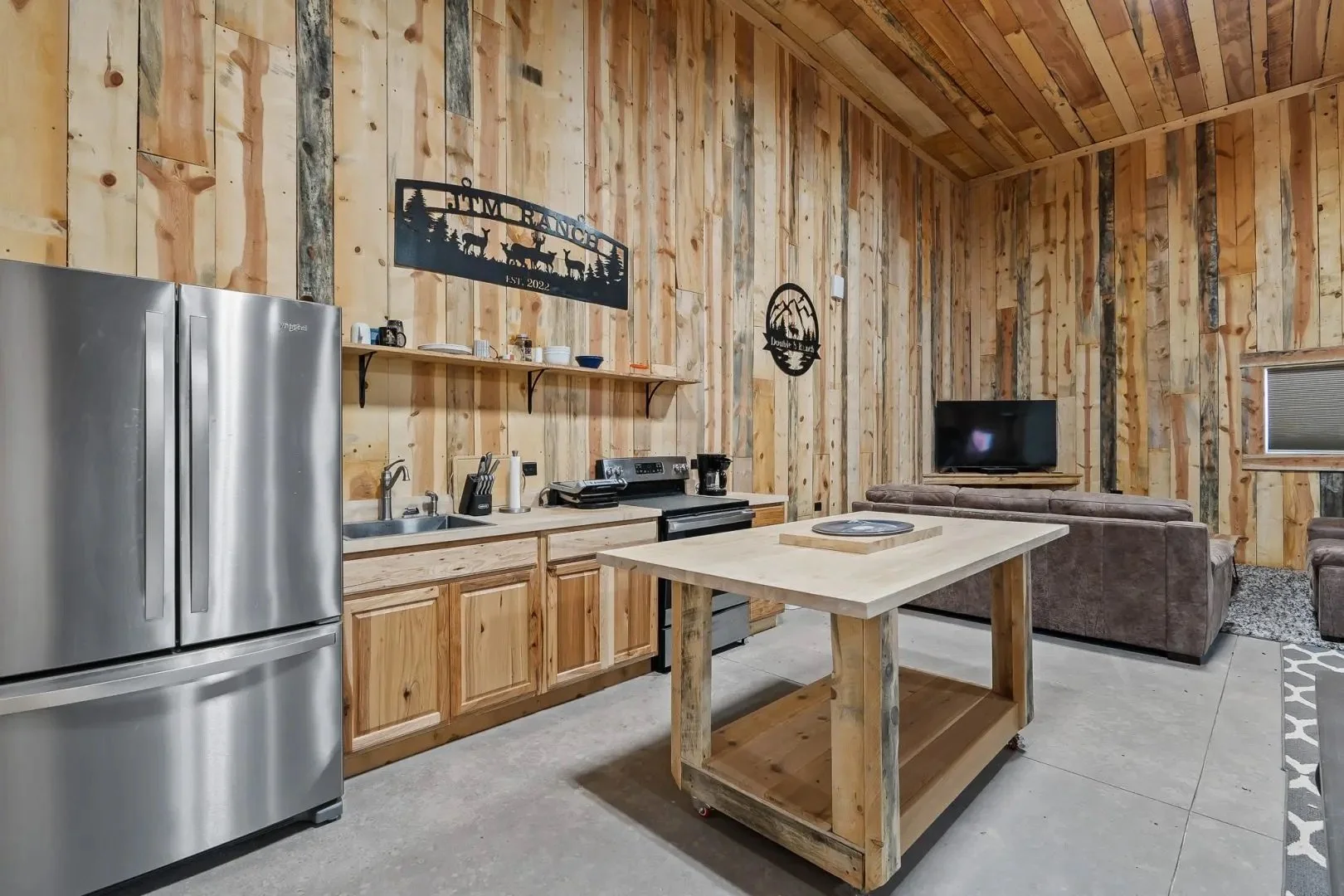
True custom building means you're not choosing from a catalog — but it doesn't mean physics and budgets don't apply.
The freedom you have in a custom home is real and significant, but it exists within a set of constraints that are worth understanding before you fall in love with a design feature that's going to be difficult or expensive to deliver.
Here's an honest look at where you have genuine creative latitude, where structural reality or budget considerations push back, and how to spend your design energy on the things that will actually matter once you're living there.
Where You Have Complete Freedom
In a true custom build, a lot is genuinely open. The overall layout of the home — where rooms sit in relation to each other, how the home is oriented on the lot, how indoor and outdoor spaces connect — is entirely up to you and your design process. You're not working from a template.
Ceiling heights, window placement and size, the flow between rooms, the location of the kitchen and primary suite, how much space you give to different functions — these are all design decisions, not fixed variables. So are the finishes: flooring, tile, countertops, cabinetry, fixtures, and hardware. Within your budget, your preferences drive those choices, not a builder's standard package.
The structural system itself — whether you use conventional framing, engineered lumber, exposed timber, or a hybrid — is a design choice in a custom home. So is the roofline: a complex, multi-gabled roof with dramatic overhangs is absolutely achievable, though it costs more than a simpler one.
Where Structural Reality Sets the Terms
The one thing that doesn't change, no matter what you want, is physics. Load-bearing walls, structural beams, and foundation systems are engineered for specific purposes, and moving or removing them has real cost implications that are worth understanding upfront.
That doesn't mean you can't have the open, column-free great room you're imagining — it means achieving it requires the right structural solution, whether that's a steel beam, an engineered header, or a different framing approach. Those solutions exist. They just need to be designed in from the beginning, not added as an afterthought after framing has started.
The same is true of site constraints. What's possible on your specific lot is shaped by setbacks, HOA restrictions, easements, and, in Colorado, the terrain itself. A design that works beautifully on flat land may need to be rethought for a sloped lot — but a sloped lot also opens up possibilities (walkout basements, split-level designs, elevated views) that flat land doesn't.
Where Budget Sets the Terms
Custom homes have no inherent cost limit, so the practical limit is almost always the budget. And within a fixed budget, customization involves trade-offs.
A highly detailed exterior — stone cladding, complex rooflines, custom timberwork — uses up budget that could go toward interior finishes or additional square footage. A dream kitchen with professional appliances, custom cabinetry, and specialty countertops is achievable, but it will shape what's possible in the rest of the home. These tradeoffs aren't problems to solve; they're decisions to make consciously.
One practical principle: complexity costs money, but not always in proportion to how much it looks like it should. Adding a window in the right place during framing is inexpensive. Moving a window after drywall is not. A feature that's designed in from the start is almost always less expensive than the same feature added later — which is why the early design conversations matter so much.
Where to Focus Your Design Energy
The customizations that tend to matter most over the long term are the ones that shape how the home functions — not the ones that make it look impressive in photos.
Storage that's actually located where you need it. A mudroom that accounts for how your family really comes and goes. A kitchen layout that makes sense for the way you cook, not the way a showroom is arranged. Bedroom placement that considers light, noise, and privacy. An outdoor connection that fits how you actually use outdoor space.
These functional details are almost entirely within your control in a custom home; they don't have to be expensive to get right, and they're the things you'll notice — positively or negatively — every day for as long as you live there. A beautifully executed entry that you walk through twice a day matters less than a pantry that actually works, even though the entry is what guests see first.
The best custom homes are designed around the life that will be lived in them — not around the features that sounded exciting in a planning meeting. Getting there requires honest conversation early about what you actually need, a builder who asks the right questions, and a design process that stays grounded in how your family really works.
Design for the Life You're Actually Going to Live
We spend a lot of time in early conversations understanding how our clients live before we talk about what to build. That's not a detour — it's the work. If you're in the planning stages of a custom home in El Paso County or the surrounding area, let's start there.