
The Hidden Costs of Buying Land in Colorado
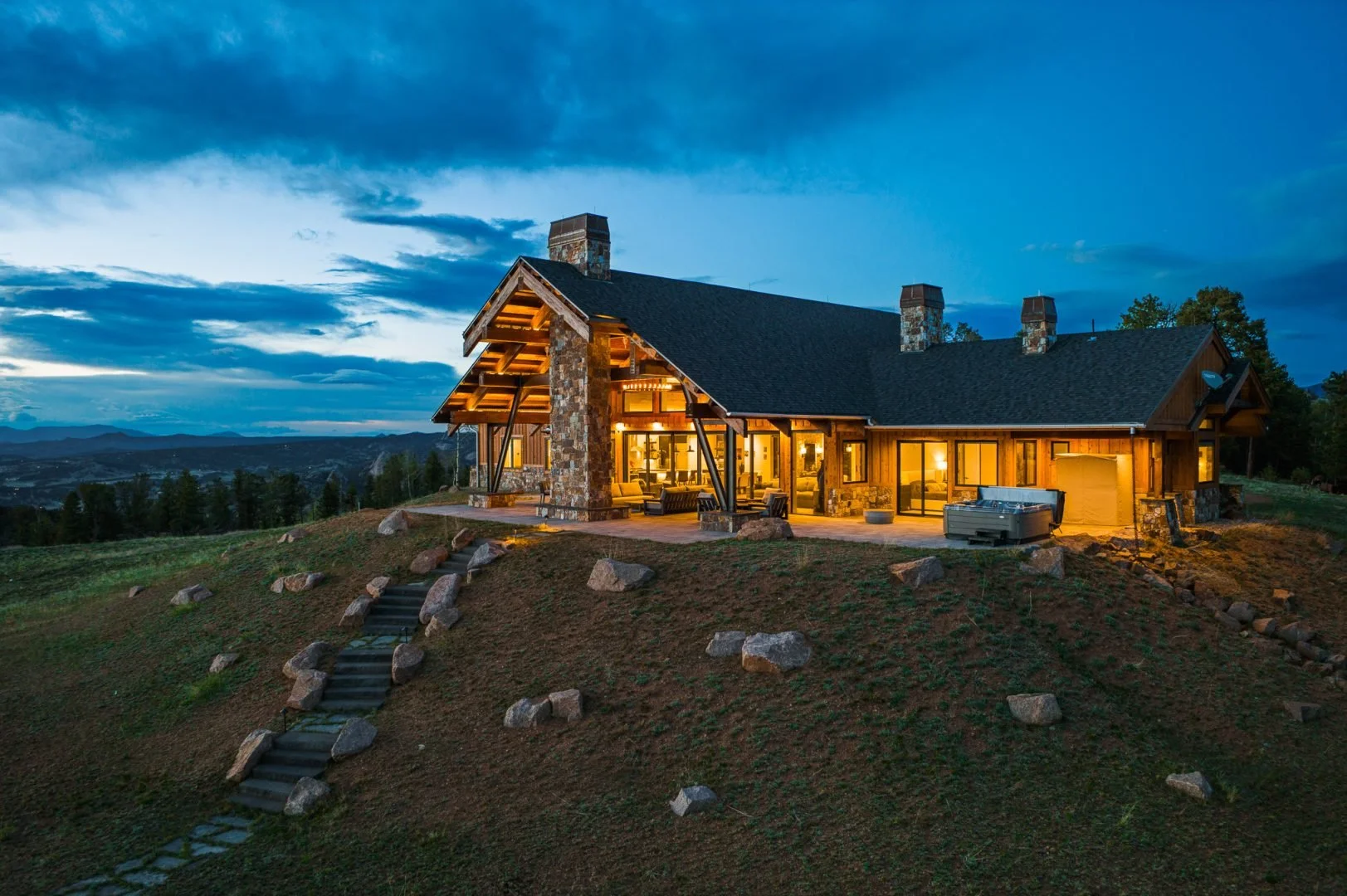
You find the perfect piece of land: mountain views, acreage, the perfect location — and you buy it. Then you sit down to start talking about what it'll cost to build, and you get a number that feels about right.
What you don't realize yet is that the number assumes the land is already ready for building. It almost never is.
Before you talk floor plans or finishes, the first real conversation needs to be about what's called the developmental stage — everything that has to happen to make a piece of raw land actually buildable. In Colorado, especially on the kinds of properties people dream about, that list is longer and more expensive than most buyers expect.
Water: Well or City?
In Colorado, especially outside city limits, connecting to municipal water isn't always an option. Many of the most desirable properties — the ones with space, views, and privacy — sit in areas where a private well is the only way to access water. That's a significant line item that doesn't show up in your purchase price.
It goes deeper than just drilling a well. In Colorado's mountainous terrain, frost line — the depth at which the ground freezes in winter — can reach eight feet in some higher-elevation areas. That means water lines have to be buried deep, and if you're running hundreds of feet of line through terrain that's mostly solid rock, blasting may be required. On some properties, blasting alone adds $50,000 to $100,000 to the site budget before a single wall goes up.
Power: How Far Is the Nearest Pole?
This one catches people off-guard more than almost anything else. If you're building in a rural or semi-rural area and the closest power pole is a mile or two away, getting electricity to your property is your responsibility, and it isn't cheap. Running power to a remote lot can cost $75,000 to $150,000, depending on distance and terrain. A competent realtor will flag this before you close, but not all of them do.
Septic, Driveways, and Everything Else
City sewer systems are the exception, not the rule, on Colorado's more sought-after properties. A septic system is often a given, and the cost and complexity vary widely depending on soil type, lot size, and county requirements.
Then there's the driveway. It sounds mundane until you price out 2,000 feet of graded, graveled, or paved access road on a lot with elevation changes. Depending on length and terrain, driveway improvements alone can range from a few thousand dollars to significantly more.
The Number You're Quoted Assumes All of This Is Already Done
This is the piece that matters most. When a builder walks through cost-per-square-foot estimates with you, that number typically covers construction — the house itself. Site improvements are a separate category, and in Colorado, they can be substantial. You might have a perfectly reasonable construction budget and still be blindsided by $150,000 in site work that nobody mentioned until you were already committed.
The way to protect yourself is to treat site improvements as their own budget category from day one — not an afterthought once you've already fallen in love with a floor plan.
What to Do Before You Make an Offer
If you're seriously considering a piece of land, a few steps can save you from an expensive surprise:
Ask your realtor specifically about utility connections — water, sewer or septic, gas, and electricity — and what each will cost to establish.
Find out the nearest connection points for power and water. Distance matters enormously.
Bring your builder to the property before you close, not after. An experienced local builder can walk a lot and spot issues in an hour that might take months and thousands of dollars to discover otherwise.
Ask about rock and soil conditions. In Colorado's Front Range and mountain communities, rocky terrain isn't rare — it's common. If blasting is a possibility, that should factor into your offer.
The land is where your home begins. The price you pay for it is only the first number in a longer equation, and the sooner you understand all the other numbers, the better positioned you'll be to build something you can actually afford — and love living in.
Start With the Full Picture
Most builders start the conversation when you show up with a floor plan. We start it earlier, because the decisions that will cost you the most money aren't the ones you make about finishes. They're the ones made (or missed) before the foundation is poured.
If you're considering land in El Paso County or the surrounding area, we'll walk the property with you, identify what it will actually take to make it buildable, and give you a complete picture of site costs before you're committed to anything. No surprises six months in.