
How Much Does It Really Cost to Build a Custom Home in Colorado Springs?
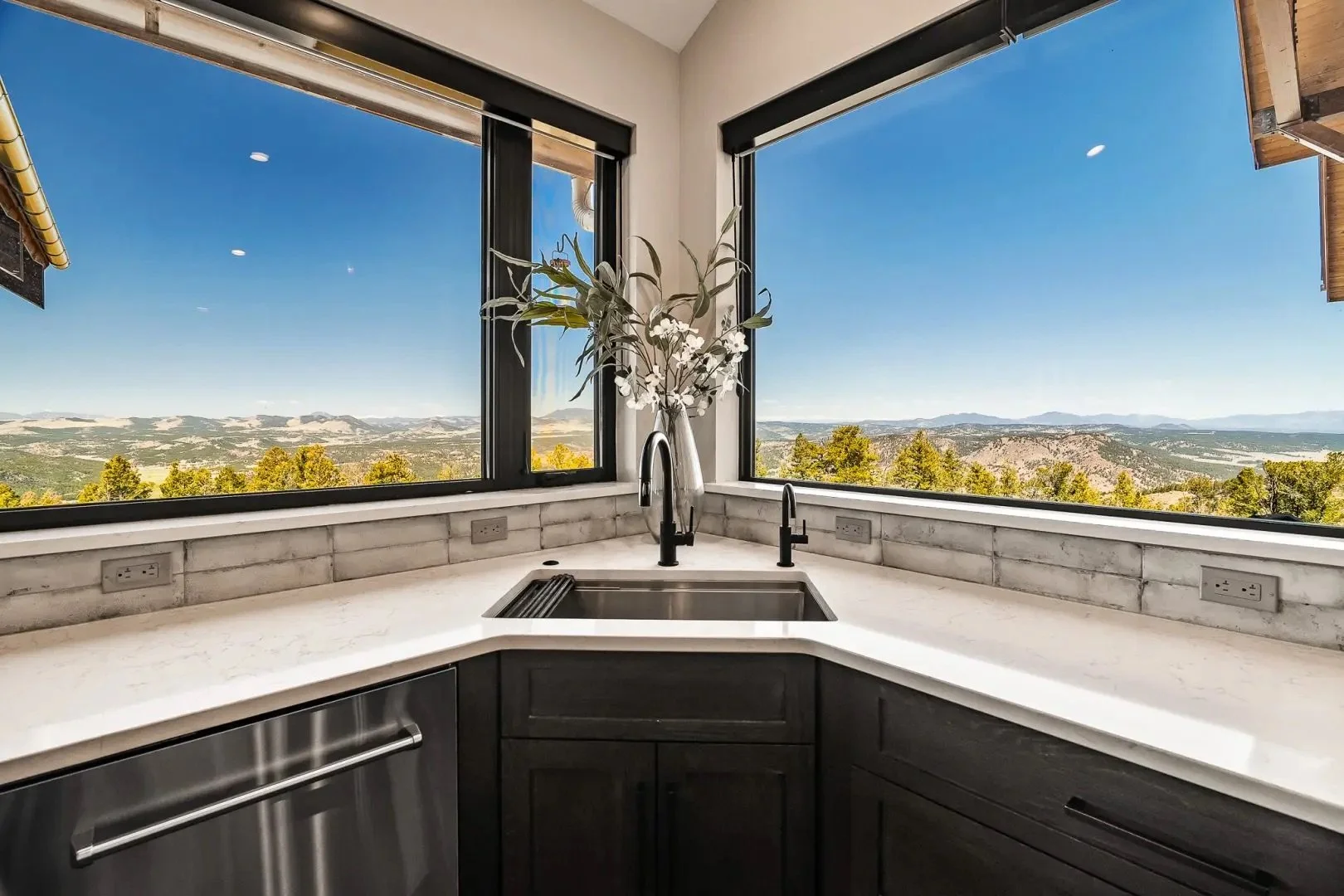
If you've tried to research what it costs to build a custom home in Colorado Springs, you've probably found a lot of ranges and very few real numbers.
That's partly because costs vary vastly depending on size, site, finishes, and complexity. But it's also because many builders prefer to have that conversation in person, once they've had a chance to show you their work and build some rapport.
Here's what you actually need to know before you walk into anyone's office.
The Number You'll Hear First Isn't the Full Number
The per-square-foot cost of construction is the number most people lead with, and it's a useful starting point — but it covers the house itself, not everything it takes to build it. Site improvements, utility connections, permits, impact fees, landscaping, and temporary housing during the build are all real costs that don't show up in a construction contract but absolutely show up in your bank account.
In El Paso County, depending on the location and nature of your land, site costs alone can range from modest to substantial. A property with city water and sewer already at the lot line is a very different financial picture than a rural parcel requiring a well, septic system, and a long driveway. Before you budget around a cost-per-square-foot number, make sure you know what category your land falls into.
What Drives Cost Beyond Square Footage
Square footage is the most visible cost driver, but it's far from the only one. A few factors that move the number significantly:
Lot complexity. Sloped terrain, rocky soil, limited access, and drainage challenges all add to site preparation costs. In Colorado's Front Range and foothills, this is common — not exceptional.
Ceiling heights and structural complexity. Vaulted ceilings, open spans, exposed beams, and dramatic rooflines require more engineering and more material. They're worth it when they're right for the design, but they cost more than a standard build.
Exterior materials. Your roof, siding, windows, and doors are some of the most significant line items in a build — and also some of the areas where the range between adequate and excellent is widest. The right choices for Colorado's climate aren't always the cheapest ones, and the cheapest ones often cost more over time.
Kitchen and bathroom finishes. These rooms drive cost more than any other interior spaces. Appliance packages, cabinetry, countertops, plumbing fixtures, and tile selections can vary by an order of magnitude between builder-grade and high-end. Knowing what you actually want — versus what you think you should want — early in the process prevents expensive changes mid-build.
Custom details. Built-ins, specialty ceilings, detailed trim work, custom metalwork — these are the things that make a home feel one-of-a-kind, and they add cost in proportion to their complexity. Some are worth every dollar. Others are easier to achieve than they look and don't add much to the budget at all.
Why the Cheapest Bid Is Almost Never the Cheapest Build
It's worth understanding why this is true, because it runs counter to instinct.
A low bid usually means one of three things: something was left out of the scope, the quality of materials or labor is lower than you're assuming, or the builder plans to recover margin through change orders once you're too committed to walk away. None of these outcomes are in your interest.
Change orders — additions or modifications to the original scope — are where custom home budgets most commonly go sideways. A builder who bids low to win the project and then charges full margin on every change order can end up costing significantly more than a builder who gave you an honest number at the start. The way to protect yourself is to ask, before you sign, how change orders are priced and what the process is when the scope needs to be adjusted.
What You Can Realistically Expect to Spend
In El Paso County today, a custom home built to a good standard — quality materials, thoughtful design, Colorado-appropriate systems and insulation — typically starts in a range that reflects both the cost of skilled labor in this market and the specific demands of building here. Luxury finishes, complex sites, and high-end systems push that number higher.
What we won't do is give you a number here that you'll hold against a conversation that hasn't happened yet. Your site, your design, and your priorities are specific to you — and an honest estimate requires understanding all three. What we will do is give you a straight answer when we sit down together, including what's in the number and what isn't.
The Budget Conversation Worth Having Early
The most expensive mistakes in custom home budgeting happen when people design the home first and figure out the cost second. By the time you're emotionally invested in a floor plan, making changes to fit the budget feels like losing something — and that's when people start accepting numbers that don't quite add up and hoping for the best.
The better approach is to have a clear-eyed budget conversation before design begins. Know your all-in number — construction, site, fees, contingency, temporary housing — and design within it from the start. A builder who's willing to have that conversation honestly, before you've committed to anything, is a builder worth talking to.
Get Real Numbers for Your Specific Project
We don't do vague ranges or "it depends" non-answers. When we sit down with you, we'll walk through your site, your goals, and your budget and give you an honest picture of what your build actually involves — including the things most builders don't mention until later.