
Should You Renovate or Build New?
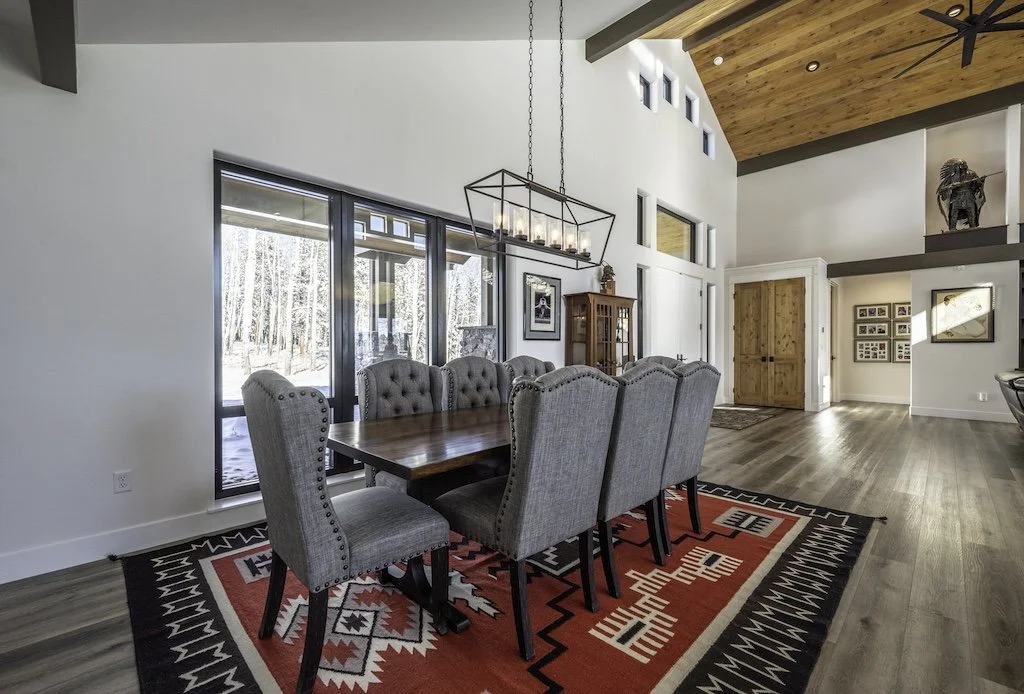
It's one of the most common crossroads in residential real estate: you have a home that doesn't quite work anymore, and you're trying to decide whether to fix it or start fresh.
Both paths can be the right answer. Both can also be the wrong one, and the way people tend to make this decision, based on attachment to a location or an assumption about cost, often leads them to the harder outcome.
Here's an honest framework for thinking it through.
When Renovation Makes Sense
Renovation is the right call when the bones of what you have are genuinely good, and the problems are fixable without rebuilding what's already working.
If your home has a layout that mostly functions, is in a location you love and couldn't replicate by building new, and needs updates rather than structural reinvention, renovation is almost certainly the better path. You preserve what's already right, improve what isn't, and avoid the full cost and timeline of starting from the ground up.
Renovation also makes sense when the alternative — buying land, managing a build, carrying costs for 12 to 18 months — is more disruption than your family's life can absorb right now. A custom build is a significant undertaking. If the timing isn't right, improving what you have might be the more practical choice, even if it's not the most exciting one.
When Building New Makes More Sense
Renovation starts to lose its appeal when the list of what needs to change includes structural, systemic, or fundamental aspects of how the home works.
If the layout itself is the problem — rooms in the wrong places, a flow that doesn't match how your family lives, spaces that can't be made to work without moving walls that turn out to carry the whole house — you're often better off building new. Structural changes in an existing home are expensive, disruptive, and rarely as clean as they look on a renovation plan.
Mechanical systems are the other major consideration. Older homes often have plumbing, electrical, and HVAC systems that are outdated, undersized, or both. Replacing those systems in the middle of a renovation can turn a moderate project into a significant one very quickly — and in Colorado, where insulation and mechanical performance standards matter a great deal, bringing an older home up to the standard of a new build can cost more than expected.
The honest question to ask is: when this renovation is done, will you have the home you actually want? Or will you have a significantly improved version of a home that still has fundamental limitations? If the answer is the latter, you might be spending most of the cost of building new to get something that's still a compromise.
The Costs Everyone Underestimates
Renovation projects have a well-earned reputation for running over budget, and it's not because contractors are dishonest. It's because existing homes contain surprises — inside walls, under floors, in the crawl space — that only become visible once work begins. Asbestos, outdated wiring, rot, inadequate framing: these aren't rare findings in older Colorado homes, and each one adds cost that wasn't in the original estimate.
The contingency budget for a renovation should be larger than most people set aside. A 20% buffer is a reasonable minimum for anything involving structural work or older mechanical systems. If that number changes your math significantly, it's worth knowing before you've committed.
New construction has cost surprises too — particularly on the site side in Colorado — but they're generally more predictable. A thorough pre-construction process with an experienced builder surfaces most of them before the contract is signed.
The Disruption Question
Living through a major renovation is difficult in ways that are easy to underestimate until you're in the middle of it. Construction hours, dust, limited access to kitchens and bathrooms, tradespeople in your home on a daily basis — the psychological weight of that adds up, especially for families with young children or people working from home.
Building new requires temporary housing, which has its own costs and inconveniences. But there's a clarity to it: you leave, the house gets built, you come back. The disruption has a defined shape. With a major renovation, you're living in the disruption for the duration, and that duration tends to stretch.
How to Make the Decision
The most honest version of this decision requires getting real numbers for both paths before you commit to either. A renovation estimate from a contractor who has actually looked at your home — including a realistic contingency — compared against a realistic build budget for what you'd actually want to build. Without both numbers in hand, you're making the decision based on assumptions, and assumptions in construction tend to be optimistic.
It also requires being honest about what's driving your preference. If you're leaning toward renovation because you love your neighborhood, that's a real and valid reason. If you're leaning toward it because you assume it'll be faster or cheaper and haven't verified that, those assumptions are worth testing before they cost you.
Not Sure Which Path Makes Sense? Let's Talk It Through.
We can help you think through both options honestly — what a new build would actually involve for your site and your goals, and whether renovation might serve you better. No agenda either way. Just a straight conversation about what makes sense for your family.