
Building a Home For How Your Family Actually Lives
Most people start designing a custom home by collecting images — a kitchen from one magazine, a primary suite from a design blog, a great room from someone's Instagram. That's a reasonable starting point.
But there's a gap between what looks beautiful in a photo and what actually works for the way a real family moves through a space, and bridging that gap is one of the most important things a custom build can do.
The homes that feel genuinely right to live in — not just impressive to visit — are the ones designed around real life: the morning routine, the school-night chaos, the way Sunday afternoons actually unfold. Getting there requires a different kind of conversation than most people expect.
The Questions That Shape a Home
Before a single line gets drawn, the most useful design work is understanding how your household actually functions. Not how you'd like it to function, or how it functions on your best days — how it functions on a regular Tuesday.
Where do your kids actually do homework? If the answer is the kitchen table, designing a dedicated study room they'll never use is a waste of square footage that could go to something that matters. Where does everything land when people come through the door — shoes, bags, coats, backpacks? That spot needs to be designed for the reality, not the ideal. How do you actually use your kitchen? If you cook seriously and frequently, the layout, storage, and counter space need to reflect that. If you heat things up and order in, a simpler kitchen frees up budget for something else.
These questions feel mundane in the planning phase. They're the ones that determine whether you love your home or merely like it.
Designing for Who Your Family Is Now — and Who It Will Be
A custom home built to last 20 or 30 years will be lived in by versions of your family that don't exist yet. Your kids at their current ages will become teenagers with different privacy needs, then young adults who might come back. Your own needs will evolve. The home should be designed with that trajectory in mind, not just optimized for right now.
That means thinking through questions like: if your kids are young now, what will their space needs look like in 10 years? If you're building a home you intend to stay in long-term, what accommodations make sense for aging in place — not because you need them today, but because retrofitting them later is expensive and disruptive? If you have parents who visit or might someday need to live with you, does the layout support that?
None of this means designing for hypotheticals at the expense of what you need today. It means making a few thoughtful choices early — room adjacencies, a slightly larger guest suite, a ground-floor bedroom that could serve multiple purposes over time — that don't cost much to build in from the start and cost a great deal to add later.
How You Actually Entertain
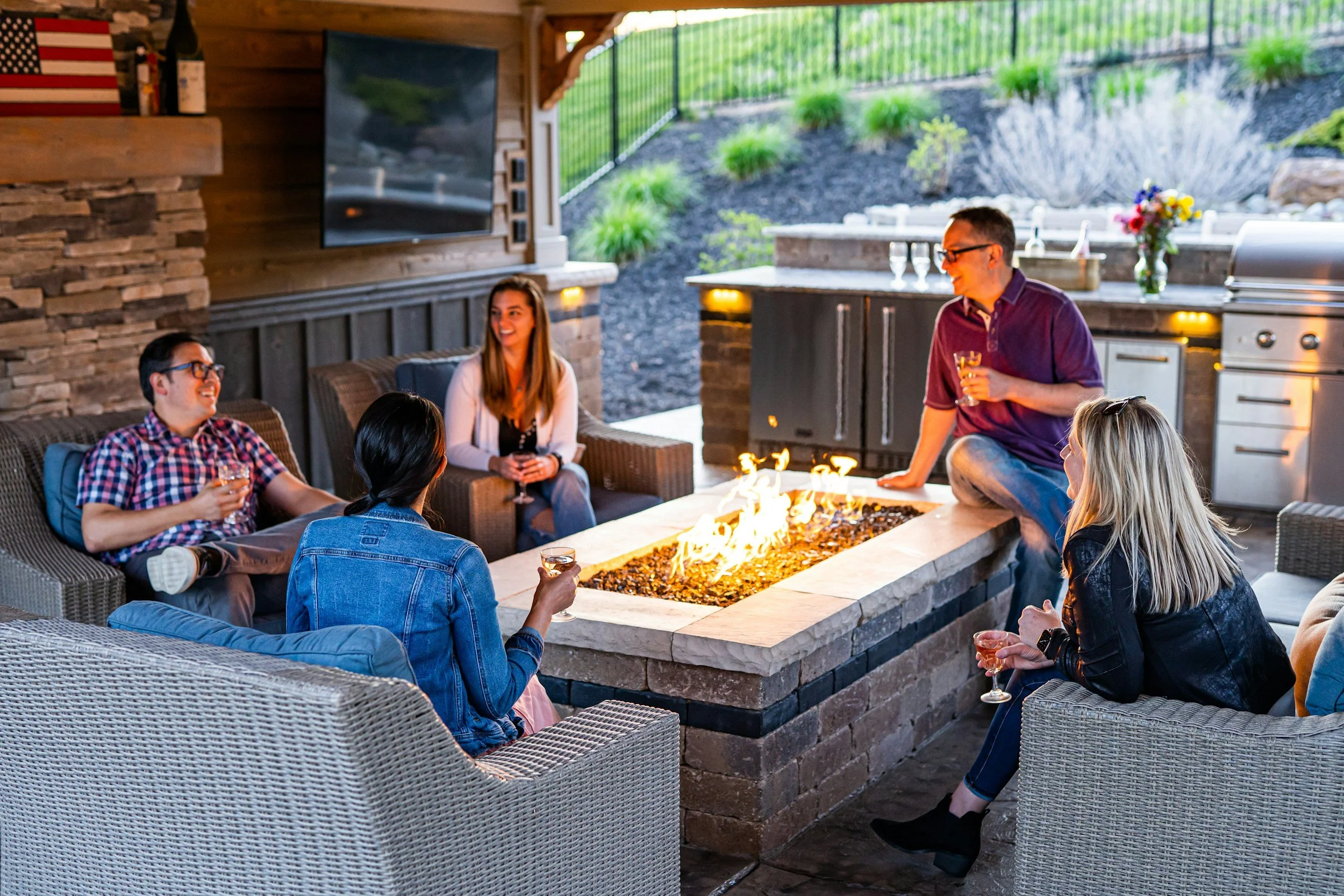
Entertaining spaces are one of the areas where the gap between design aspiration and real life is widest. The open-concept great room flowing to a large covered outdoor space looks stunning in renderings and is designed into many custom homes. It's also frequently underused by families who, when they actually entertain, end up with everyone crowded into the kitchen, regardless of how much other space there is.
Before committing to a large formal entertaining layout, it's worth being honest: how often do you actually host significant gatherings? How many people, and in what kind of setting? If your real entertaining life is six to eight people for dinner a few times a year, a layout optimized for large parties may not be the best use of your space or budget. If you regularly host large gatherings — holiday meals, neighborhood events, extended family — then investing in spaces that support that is worth it.
The same logic applies to specific features. A large kitchen island with bar seating works beautifully for families who naturally gather around food and conversation. For a couple who prefer a quieter kitchen and eat most meals at a table, a smaller, more functional island might serve them better and leave budget for something they'll actually use.
The Small Details That Make Daily Life Better
Some of the most valuable design decisions in a custom home are those that cost almost nothing but make everyday life a little easier. A power outlet in the right place. Cabinet depth that actually fits what you store there. A laundry room positioned near the bedrooms instead of tucked in the basement. A back door that opens onto where you actually park, not where it was easiest to put it.
These details don't photograph well. They don't come up in conversations about square footage or finish levels. But they're the things you notice — gratefully or with quiet frustration — every single day. A builder who's paying attention to your actual life will surface them. One who's focused on building a beautiful house might not.
The best custom homes aren't the ones with the most impressive features. They're the ones that feel effortless to live in — because they were designed with the people living in them in mind from the very beginning.
Tell Us How You Live. We'll Design Around It.
Before we draw anything, we want to understand your real life — the routines, the quirks, the things that drive you crazy about houses you've lived in before. That conversation is where the best custom homes actually begin.
If you're planning a build in El Paso County or the surrounding area, let's start there.